World Cup 2030: Spain's 11 Stadiums and What Makes Each One Special
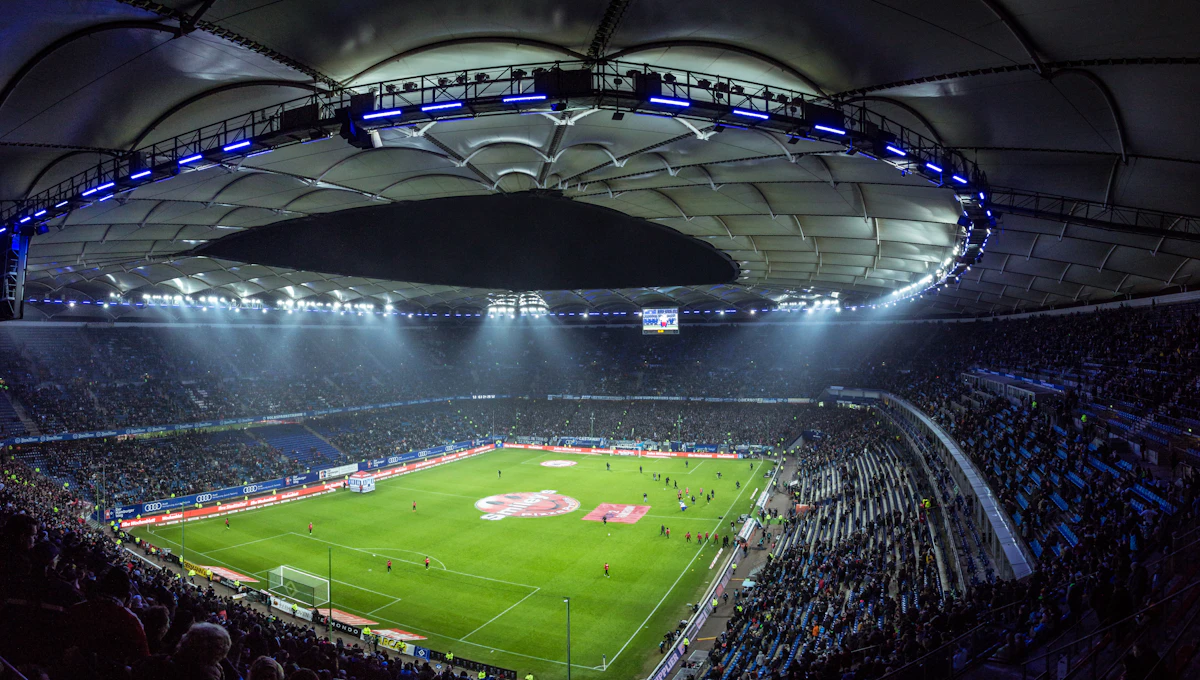
- Primary Signal: World Cup 2030: Spain's 11 Stadiums and What Makes Each One Special
- Overview: Spain hosts eleven of the twenty-three venues at World Cup 2030, from the Bernabeu to a new stadium in Valencia. Here is what makes each one worth visiting....
- Verification: Analyzed and compiled by WorldCup2026 Cities editorial monitoring desk.
Spain is the beating heart of the 2030 World Cup. Eleven of the tournament's 23 stadiums are Spanish, spread from Bilbao in the north to Seville in the south, and from Barcelona on the Mediterranean to Vigo on the Atlantic. No other host nation comes close to that number, and the variety is remarkable: two of the biggest club stadiums on earth, a brand-new arena in Valencia, a rebuilt ground in Zaragoza, and a collection of compact, passionate venues that will give the tournament its character. FIFA has not yet announced which matches each stadium will host, but the grounds themselves are ready to be judged.
The Two Giants: Madrid and Barcelona
The Santiago Bernabeu in Madrid is the most famous stadium in the tournament and one of the leading candidates to host the final, although FIFA has not decided that yet. Its recent renovation added a retractable roof, a new facade and a capacity of around 83,186, and it sits in the middle of Madrid, a short metro ride from the city centre. The Camp Nou in Barcelona will be even bigger when its renovation is complete, with a planned capacity of around 105,000, making it the largest stadium at the tournament. The renovation has disrupted the matchday experience in recent seasons, so the finished stadium in 2030 will feel new even to Barcelona supporters.
The second stadium in each city is just as interesting. The Metropolitano, home of Atletico Madrid, is a modern bowl with steep stands and one of the best atmospheres in Spain, and it has already hosted a Champions League final. The RCDE Stadium in Cornella, home of Espanyol, is smaller and more modern, with good sightlines and an easy metro connection from central Barcelona. Fans who cannot get tickets for the Bernabeu or the Camp Nou should look at these two first: the football will be just as good, and the atmosphere may be better.
The North: Bilbao, San Sebastian and Vigo
The north of Spain gives the tournament three of its most atmospheric grounds. San Mames in Bilbao is the spiritual home of Basque football, a steep, loud stadium where Athletic Club's supporters sing for ninety minutes, and it is widely tipped as one of the best matchday experiences of 2030. Anoeta in San Sebastian was rebuilt into a compact arena with the stands close to the pitch, and it sits in one of the best food cities in the world, which makes it a perfect combination for travelling fans. Balaidos in Vigo is the smallest of the Spanish venues, a tight, old-school ground on the Galician coast where the crowd sits almost on top of the players.
These three cities are also among the most rewarding to visit. Bilbao has the Guggenheim Museum and a compact old town, San Sebastian has its famous pintxos bars and the La Concha beach, and Vigo is a working port city with excellent seafood and a ferry to the Cies Islands. The weather in the north is cooler and wetter than in the south, so fans should pack a light jacket even in June, and the train connections between the three cities are good enough to base yourself in one and travel to the others.
The South, East and Islands
La Cartuja in Seville is a large, open stadium built for athletics, and it will feel very different from the compact northern grounds. Seville in June is hot, so evening matches will be the most comfortable, and the city itself is one of the great World Cup destinations, with its cathedral, its tapas bars and its late-night culture. The Nou Mestalla in Valencia is a new stadium replacing the historic Mestalla, and it is one of the most anticipated venues of the tournament, because Valencia has waited years for its new home. When it opens, it will be one of the most modern grounds in Spain, with a capacity of around 70,000.
The final two venues complete the picture. The Nueva Romareda in Zaragoza replaces the old La Romareda and will give the tournament a new stadium in the heart of Aragon, halfway between Madrid and Barcelona on the high-speed rail line. The Estadio Gran Canaria in Las Palmas brings the World Cup to the Canary Islands, a venue where the temperature is warm, the beach is minutes away, and the matchday feels like a holiday. Together, the eleven Spanish stadiums offer everything from the biggest stage in world football to a small ground on an Atlantic island, and that range is what will make Spain the centre of the tournament.
Q: How many stadiums does Spain have at World Cup 2030?
A: Spain has eleven of the twenty-three venues, more than any other host nation. Portugal has three, Morocco has six, and South America has three.
Q: Which Spanish stadium is likely to host the final?
A: FIFA has not decided. The Bernabeu in Madrid and the Camp Nou in Barcelona are the leading candidates, with the Grand Stade Hassan II in Casablanca also in the running.
Q: Which Spanish stadium has the best atmosphere?
A: San Mames in Bilbao is the most popular answer among fans and journalists, thanks to its steep stands and the singing of Athletic Club's supporters, with the Metropolitano in Madrid close behind.
More from WorldCup2026 Cities