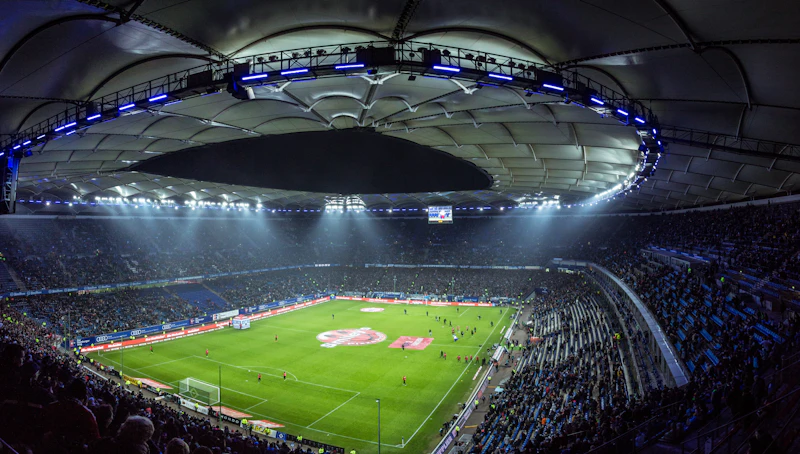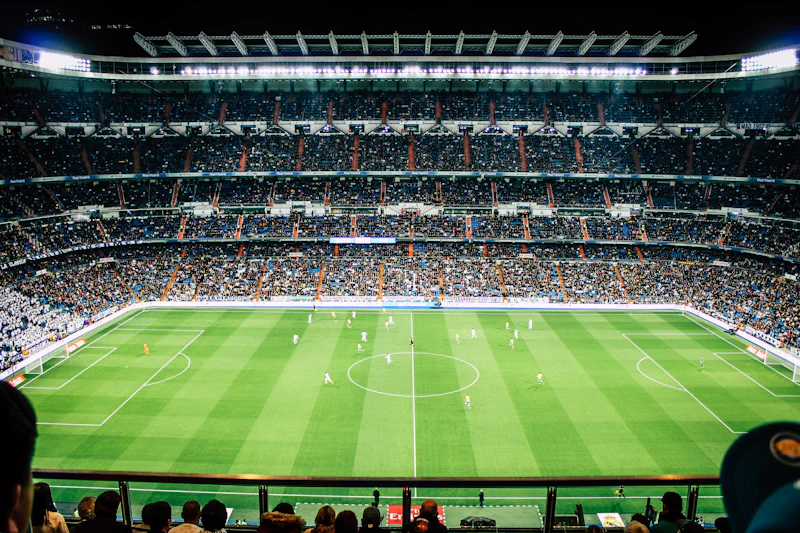
Every World Cup 2026 host city has its own transport system. This guide explains metros, buses, fan shuttles and the best way to reach each stadium.
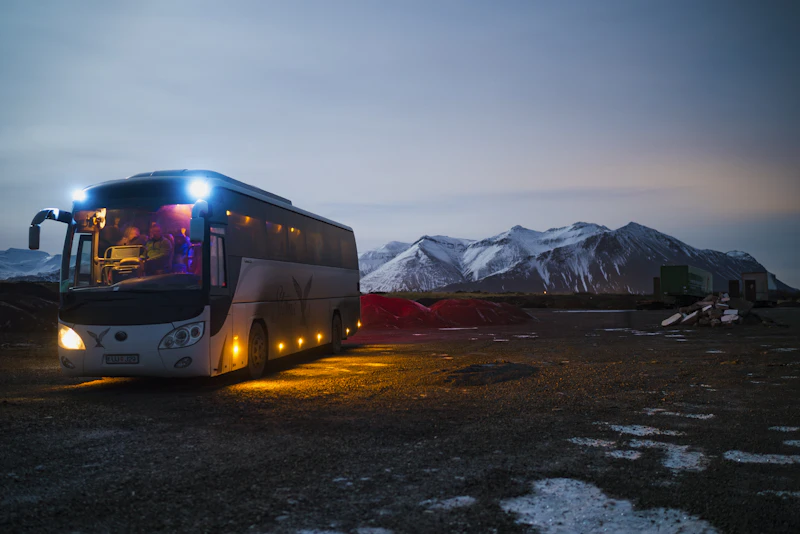
Some host cities make matchday travel easy, others demand a car. This ranking compares public transport across World Cup cities, from the best to the most car-dependent.
SoFi Stadium in Inglewood is a world-class bowl in a sprawling city: how to beat LA traffic, mix beach days with matchdays, and plan smart.
Houston's greatest asset is its food: a culinary tour of the most diverse kitchen in America, plus how to reach roofed NRG Stadium in the humidity.
The US has opened a priority visa appointment system for 2026 World Cup ticket holders, alongside a waiver of the hefty visa bond. Here is what travelling fans need to know.
FIFA has split the 2026 tournament into three regional travel zones to cut down on long-haul flights. Here is how the West, Central and East zones work for travelling fans.
With US visa hurdles and soaring costs pushing some supporters away, Mexico's three host cities — Mexico City, Guadalajara and Monterrey — are emerging as the smart fan's alternative.
FIFA applies a strict clear-bag policy at all 16 World Cup 2026 stadiums. This guide covers the exact size limits, what is allowed and banned, and how to get through security without being turned away.
Atlanta's downtown stadium cluster is a transport gift: how MARTA makes matchdays easy, plus the attractions within walking distance.
Kansas City barbecue is legendary. This trail guide takes World Cup 2026 fans from classic joints to hidden gems, with tips for matchday eating.
Day passes, tourist cards and contactless fares all promise savings, but which actually save World Cup fans money? This guide compares the options city by city.
Tickets, flights, hotels and food: a World Cup 2026 trip cost thousands. Here is an honest breakdown of what fans actually spent, and how to do it cheaper next time.
World Cup 2030 spans three countries and six weeks, and the costs add up fast. Here is a realistic budget plan for flights, tickets, hotels and daily spending — and how to start saving now.
World Cup 2030 spans three countries and two continents, and the visa rules are not the same in each one. Here is what fans from every continent need to know about passports, visas and travel documents.
Three countries, two continents and 20 stadiums: travelling between World Cup 2030 host cities takes planning. Here is the complete guide to trains, ferries and flights.
World Cup 2030 is a June and July tournament across three countries with very different climates, so this guide explains the heat fans will face in each host city and what to pack.
World Cup 2030 spans two currencies across three countries, so this guide explains where cards work, where cash is essential and how fans should budget for the trip.
Travelling fans at World Cup 2030 will cross two roaming zones and three mobile networks, so this guide explains SIM cards, eSIMs and Wi-Fi for Spain, Portugal and Morocco.