Estadio Azteca Stadium Guide: Inside the Ground That Opened the 2026 World Cup

- Primary Signal: Estadio Azteca Stadium Guide: Inside the Ground That Opened the 2026 World Cup
- Overview: Estadio Azteca hosted the 2026 opener, Mexico 2-0 South Africa, becoming the first stadium used at three men's World Cups....
- Verification: Analyzed and compiled by WorldCup2026 Cities editorial monitoring desk.
Estadio Azteca is the most historic stadium in World Cup history, and the 2026 tournament added its greatest chapter. On 11 June 2026, Mexico beat South Africa 2-0 there in the opening match of the first 48-team World Cup, and in doing so the Azteca became the first stadium ever to host matches at three different men's World Cups, after the finals of 1970 and 1986. No other ground in the world can make that claim, and for fans visiting Mexico City, the Azteca is less a stadium than a pilgrimage site.
Getting to the Azteca is part of the experience, and it rewards planning. The stadium sits in the Santa Ursula neighbourhood in the south of Mexico City, well away from the historic centre where many visitors stay, so the journey takes longer than a map suggests. Matchday crowds are enormous, security perimeters extend well beyond the turnstiles, and the walk from the nearest transport stops can be long. Fans who arrived two to three hours before kick-off, as veterans of the stadium recommend, had a far calmer experience than those who cut it fine and joined the crush near the gates.
Altitude is the Azteca's other defining feature. Mexico City sits around 2,240 metres above sea level, and players and fans alike feel it: the air is thinner, the ball travels differently, and walking up the stadium's steep stands leaves even fit visitors breathless. Visiting teams have complained about the altitude for decades, and it is one reason Mexico's home record at the Azteca is so formidable. For fans, the practical advice is simple: take it slowly, drink water, and do not plan a strenuous sightseeing day on top of a matchday.
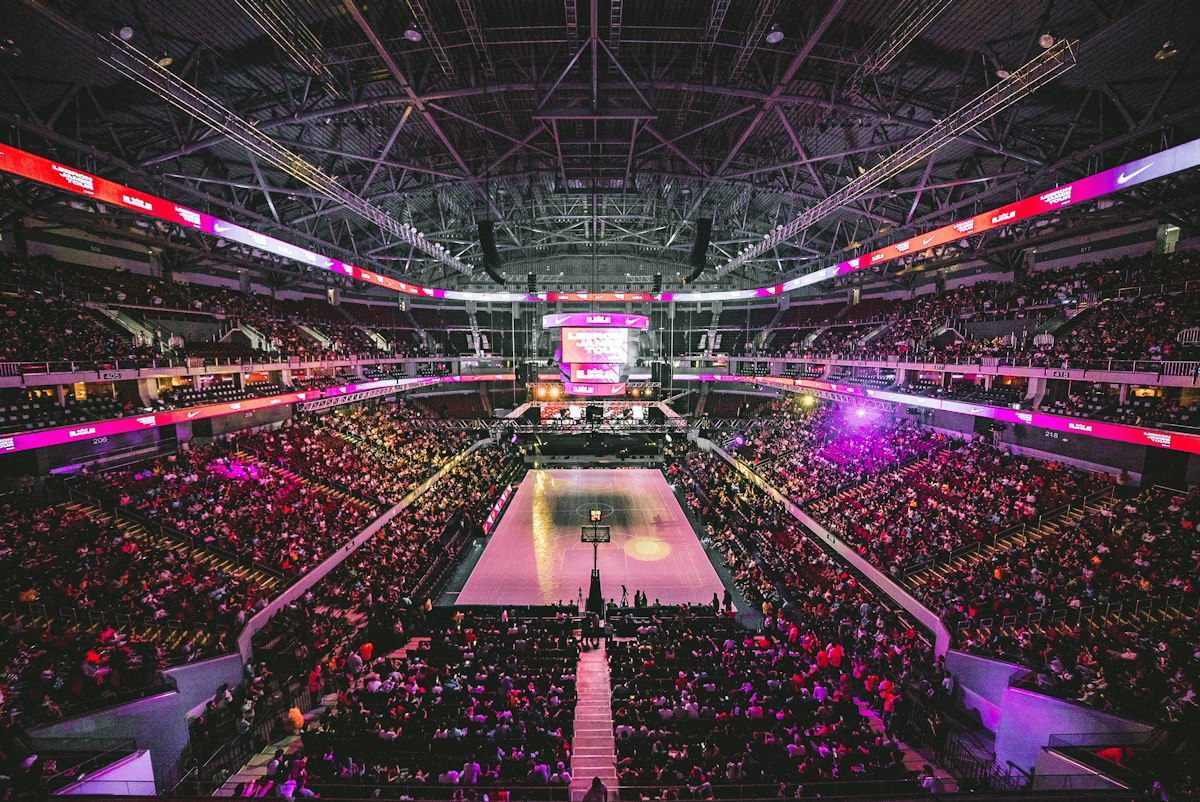
Inside, the Azteca is vast, steep and loud. Its capacity puts it among the largest stadiums used at the 2026 tournament, bigger even than MetLife Stadium, the final venue, and its bowl traps noise in a way that makes the crowd feel closer than the distance suggests. The stadium has been modernised over the years, but it retains its old-school character: concrete, colour and a wall of sound rather than the polished corporate feel of newer American venues. For the opener, that character was perfect, because the occasion demanded history, not hospitality boxes.
The Azteca's role in 2026 went beyond the opener. As one of Mexico's three host venues, alongside Guadalajara and Monterrey, it anchored the Mexican leg of the tournament and gave travelling fans a reason to base themselves in the capital. Mexico City's size means hotel choice matters: staying near a metro line that serves the stadium corridor saves more time than staying near the Zocalo and relying on matchday traffic. Fans who combined the Azteca with Guadalajara or Monterrey, the natural Mexican cluster, got the most concentrated dose of Mexican football culture available at the tournament.
What should future visitors take from the Azteca's 2026 story? First, that some stadiums are worth visiting for their history alone, and the Azteca tops that list. Second, that altitude, distance and security perimeters are not minor details but the difference between a great day and a miserable one. And third, that opening matches are special: the eyes of the world, a home crowd desperate for a win, and a stadium that has seen Pele and Maradona lift trophies. Mexico's 2-0 win over South Africa gave the Azteca its third World Cup era, and no future tournament can ever take that record away. Future visitors should plan for altitude, arrive early and savour a ground that has witnessed more World Cup history than any other on earth.
📖 Continue Reading the Full Story
Continue reading this article on WorldCup2026 Cities.
⚡ Access Full Content NowMore from WorldCup2026 Cities



 🏆 2026 World Cup Central
World Cup 2026 Host Cities Ranked by Atmosphere, Transport and Matchday Experience
Sixteen cities hosted 104 matches, but the fan experience varied wildly — here is how the venues compared....
 ⚽ Global Football Odds
How to Read World Cup 2026 Futures Odds: A Complete Bettor’s Guide
World Cup 2026 futures odds reward bettors who can read them properly. Learn the American odds format with wor...
 🏆 2026 Football Online
2026 Industry Analysis: BMI Calculator — Body Mass Index & Healthy Weight (Day 3 Guide)
Why experts rely on BMI Calculator — Body Mass Index & Healthy Weight on 2026 Football Online. Discover essent...
 ⚽ Football2026 Live
Kylian Mbappe: The Star Showcase of the 2026 World Cup
Ten goals, four assists and a place in history: Mbappe's 2026 World Cup was a star showcase even though France...