Toronto Stadium at the 2026 World Cup: A Host City Guide for Visiting Fans
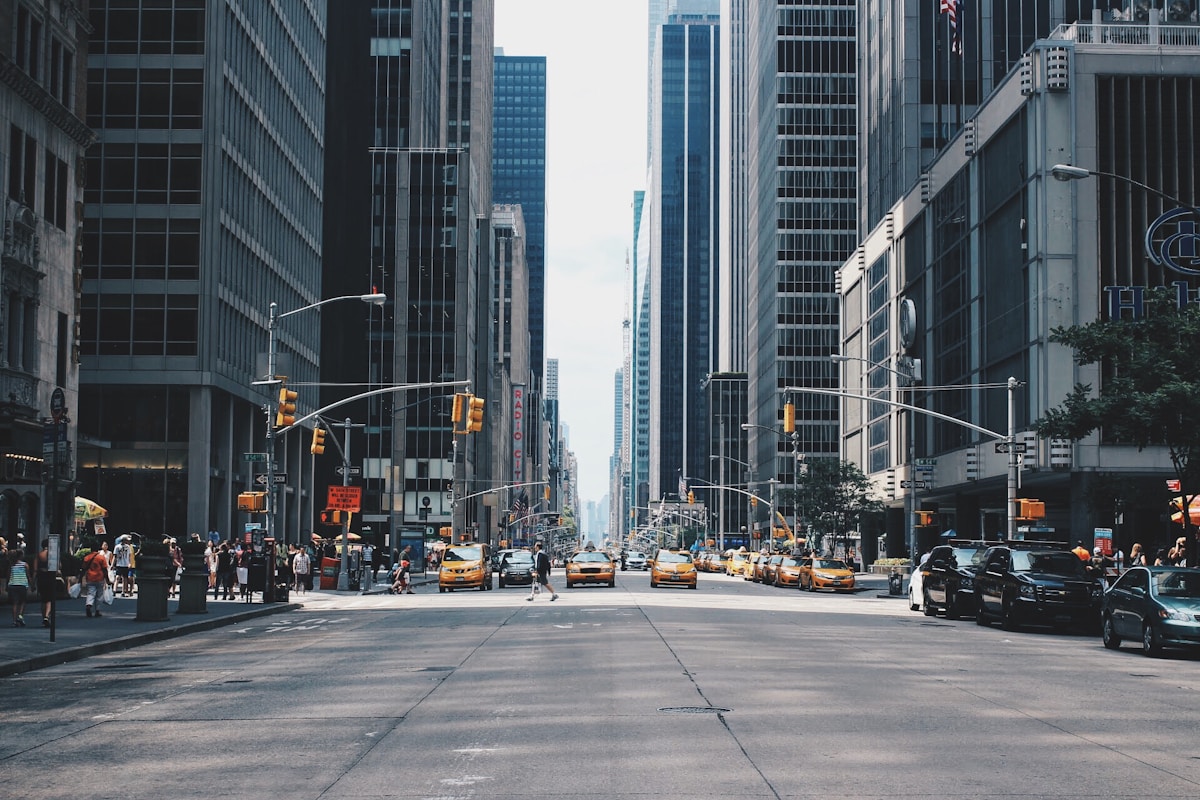
- Primary Signal: Toronto Stadium at the 2026 World Cup: A Host City Guide for Visiting Fans
- Overview: Toronto was one of Canada's two host cities, offering a compact, walkable base for fans exploring the tournament's northern leg....
- Verification: Analyzed and compiled by WorldCup2026 Cities editorial monitoring desk.
Toronto was one of only two Canadian host cities at the 2026 World Cup, alongside Vancouver, and for many travelling fans it was the friendliest base in the tournament. Canada's largest city offered something the sprawling American venues often could not: a compact, walkable centre, a reliable public transport network, and a stadium within reach of hotels, restaurants and the free FIFA Fan Festival. For fans who wanted to enjoy a World Cup without renting a car, Toronto was hard to beat.
The stadium itself, known during the tournament as Toronto Stadium, sits on the city's waterfront at Exhibition Place, a short journey from downtown by streetcar or GO train. That location mattered. Unlike venues isolated in suburban parking lots, Toronto's ground was part of the city, and fans could combine a match with a day exploring the harbourfront, the CN Tower area and the city's neighbourhoods. The waterfront setting also gave the stadium a distinctive backdrop, and the walk to and from the ground became part of the matchday ritual rather than a chore.
Toronto's role as a host city also reflected the tournament's geography. Along with Vancouver, it gave the World Cup a genuine Canadian leg, and fans who paired Toronto with the north-east American corridor, Boston, New York/New Jersey and Philadelphia, could build a multi-city trip without a single flight. Rail links between Toronto and the American north-east are not as seamless as European train travel, so most fans flew or used coaches, but the distances were manageable compared with the cross-continent journeys that exhausted fans who tried to follow one team everywhere.
For visiting fans, Toronto's practical advantages were clear. Hotels were concentrated downtown and near the waterfront, the city's multicultural food scene meant supporters from every competing nation could find a taste of home, and the Fan Festival gave ticketless fans a free, lively place to watch the big matches on giant screens. The city's summer weather was also kinder than the heat of Texas or Miami, although matchday rain was always a possibility in a lakeside city. Fans who packed a light waterproof layer and comfortable walking shoes were well prepared.
Looking back, Toronto's contribution to 2026 was quiet but important. It did not host the final, it did not stage nine matches like Dallas, and it did not have the historic weight of the Azteca. What it offered was something rarer: a host city where the football, the transport and the city itself worked together. For fans planning future tournaments, Toronto is a reminder that the best host city is not always the biggest or the loudest. Sometimes it is the one where everything simply works, and where a visitor can feel at home from the moment they arrive.
Toronto's legacy for future tournaments is a simple one. Host cities do not need the biggest stadium or the most matches to succeed; they need a stadium that is easy to reach, a city that is easy to enjoy, and a plan for fans without tickets as well as those with them. Toronto delivered all three, and it did so while showcasing Canada's multicultural character to a global audience. For fans who attended matches there, the memory is not just of the football but of a city that welcomed them properly. That is a harder achievement than building a big stadium, and it is why Toronto deserves to be remembered as one of the quiet successes of the 2026 World Cup. It proved that a host city can win by being welcoming, walkable and well organised, and that lesson should guide every future host city selection.
📖 Continue Reading the Full Story
Continue reading this article on WorldCup2026 Cities.
⚡ Access Full Content NowMore from WorldCup2026 Cities



 🏆 2026 World Cup Central
MetLife Stadium and the 2026 World Cup Final: What Fans Actually Experienced
MetLife hosted the final but divided opinion: superb atmosphere inside, long queues and poor transport links o...
 ⚽ Global Football Odds
How to Read World Cup 2026 Futures Odds: A Complete Bettor’s Guide
World Cup 2026 futures odds reward bettors who can read them properly. Learn the American odds format with wor...
 🏆 2026 Football Online
2026 Industry Analysis: BMI Calculator — Body Mass Index & Healthy Weight (Day 3 Guide)
Why experts rely on BMI Calculator — Body Mass Index & Healthy Weight on 2026 Football Online. Discover essent...
 ⚽ Football2026 Live
Kylian Mbappe: The Star Showcase of the 2026 World Cup
Ten goals, four assists and a place in history: Mbappe's 2026 World Cup was a star showcase even though France...