World Cup 2026 Accessible Stadium Guide: Wheelchair Seating, Sensory Rooms and Transport

- Primary Signal: World Cup 2026 Accessible Stadium Guide: Wheelchair Seating, Sensory Rooms and Transport
- Overview: Accessible tickets, step-free routes, sensory support and transport: the complete accessibility guide for disabled fans at World Cup 2026 stadiums....
- Verification: Analyzed and compiled by WorldCup2026 Cities editorial monitoring desk.
World Cup 2026 organisers set aside accessible tickets for every match and worked with host stadiums to improve facilities for disabled fans, but the quality of the experience still depended on planning. Accessible seating, parking, transport and sensory support varied between venues, and knowing what to ask for, and when, made a real difference. This guide brings together the essential information for fans with mobility, sensory, hearing or other access needs, from booking accessible tickets to navigating the stadium on matchday, so that every supporter can enjoy the tournament with dignity and independence.
FIFA's accessibility ticket programme offered several categories, including wheelchair user spaces, easy access standard seats for fans who need minimal steps, and easy access amenity seats offering extra space or service-dog access. Each accessibility ticket could usually be paired with companion seats, within the overall household ticket limit, although companion rules differed slightly in Mexico. Accessible tickets were available in sales phases alongside general tickets, either by draw or direct purchase where capacity allowed. When booking, describe your needs clearly, request seating near accessible toilets and exits if that matters to you, and keep confirmation emails and any accessibility documentation together for matchday checks.
Accessible parking was available at stadiums for fans with a valid disability placard and a prepaid accessible parking pass, usually located close to dedicated gates. Accessible drop-off zones allowed taxis and ride-sharing vehicles to set down passengers near step-free entrances, which is often easier than parking. Public transport in host cities was generally accessible, with low-floor buses and step-free rail stations, although crowding on matchdays could make boarding harder: travelling early and allowing extra time helps. Contact the stadium accessibility team in advance if you need specific transport advice, because they can confirm the best gate, the nearest drop-off point and any shuttle services for disabled fans.
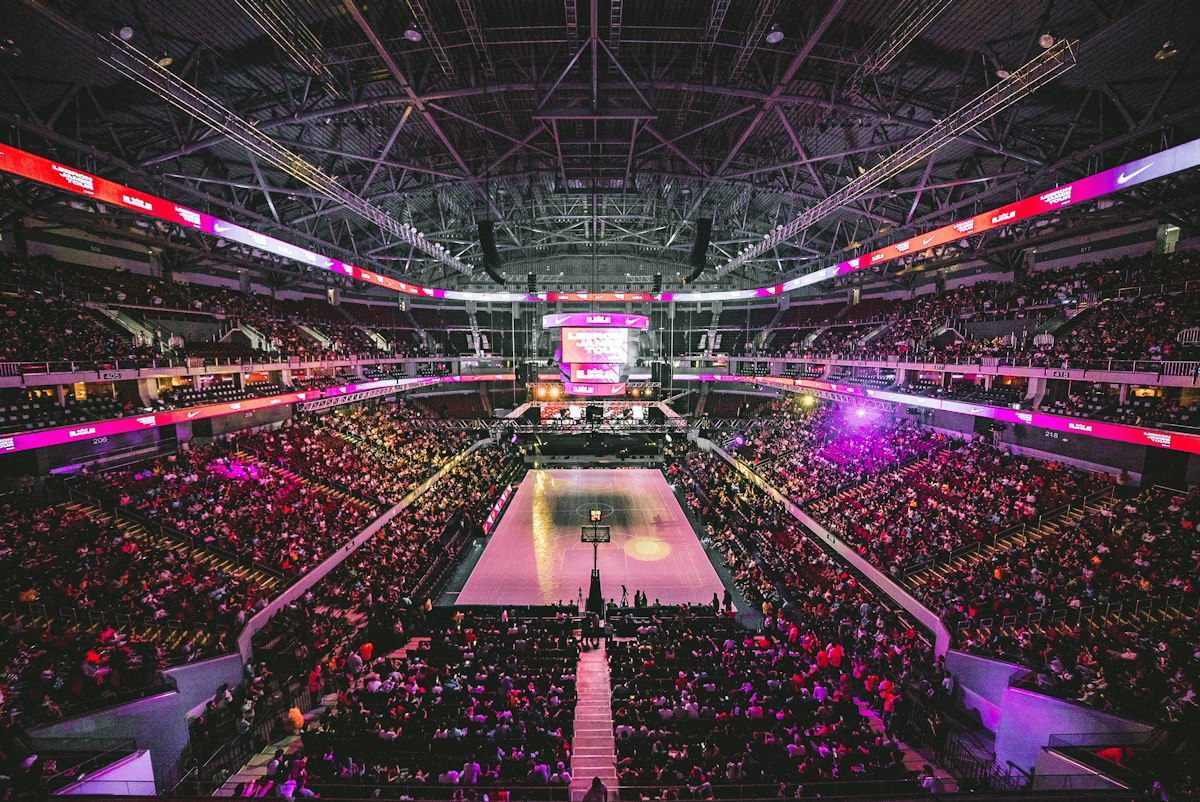
Inside World Cup stadiums, wheelchair bays and companion seats were distributed across levels and price categories, not confined to one corner, and step-free routes connected entrances, concourses and seating areas. Accessible toilets were available on each concourse level, with adult changing facilities at first-aid points in many venues. Concession counters included lowered sections, and staff were trained to assist fans who asked. Sensory rooms, offered in collaboration with specialist organisations at several stadiums, provided quiet spaces for fans who became overwhelmed, while sensory bags with ear defenders and fidget tools were available at fan information points. If you need assistance during the match, fan services staff or information points are the right place to ask.
Fans with hearing needs could access assistive listening devices at information points, and many stadiums offered audio descriptive commentary for blind and partially sighted fans, describing play in real time. Closed captioning in English was available on stadium screens in several venues, and large-print or digital stadium guides helped with navigation. For fans with sensory needs, preparation matters: bring your own ear defenders if you prefer them, choose seats away from the loudest supporters' sections, and identify the nearest sensory room or quiet area before kick-off. Arriving early also helps, because it allows you to settle in, test equipment and learn the layout before crowds build.
A successful accessible matchday starts weeks before kick-off. Confirm your tickets and companion arrangements, check the stadium accessibility guide for your specific venue, and note the accessible gate, parking or drop-off point and toilet locations. Pack documentation, medication and any equipment you need, and charge assistive devices fully. On the day, arrive early, use the accessible entrance lane, and do not hesitate to ask staff for help: that is what they are there for. After the match, allow extra time for departure, as lifts and accessible routes are busiest immediately after full time. With preparation and the right support, a World Cup stadium can be a welcoming place for every fan.
📖 Continue Reading the Full Story
Continue reading this article on WorldCup2026 Cities.
⚡ Access Full Content NowMore from WorldCup2026 Cities


 🏆 2026 World Cup Central
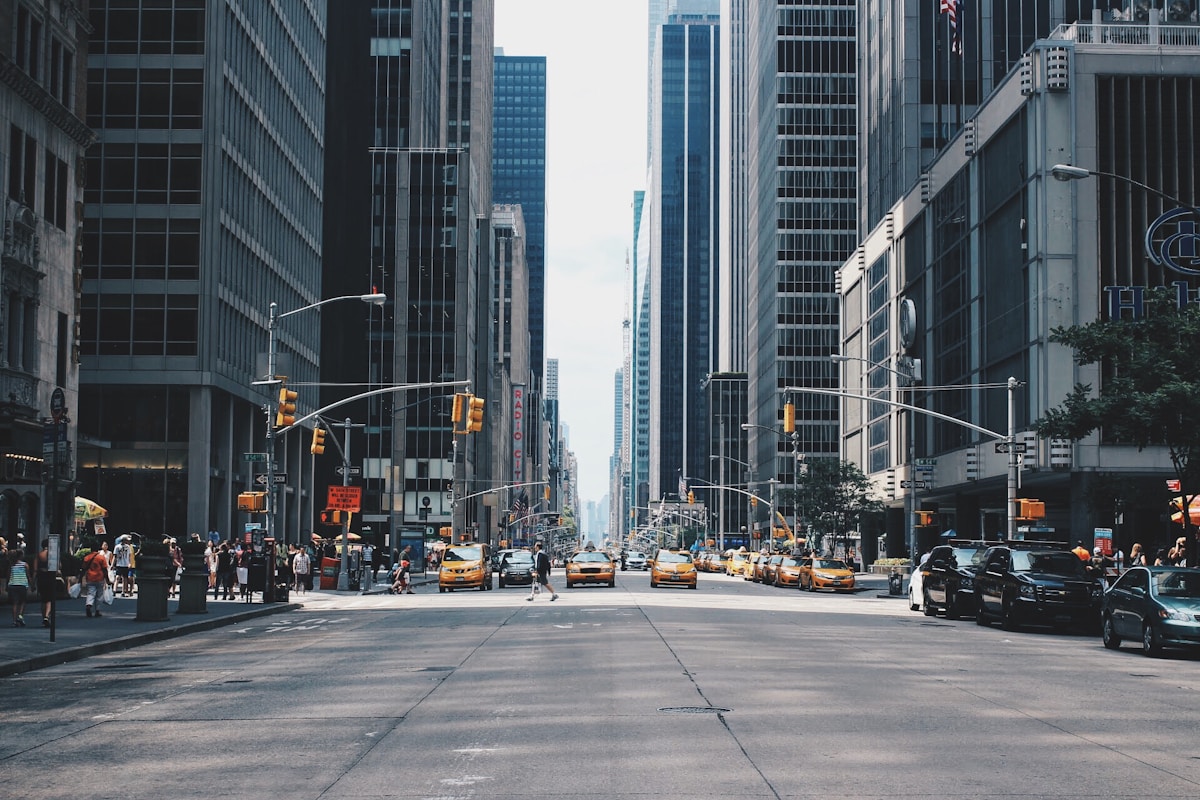
World Cup 2026 Host Cities Ranked by Atmosphere, Transport and Matchday Experience
Sixteen cities hosted 104 matches, but the fan experience varied wildly — here is how the venues compared....
 ⚽ Global Football Odds
How to Read World Cup 2026 Futures Odds: A Complete Bettor’s Guide
World Cup 2026 futures odds reward bettors who can read them properly. Learn the American odds format with wor...
 🏆 2026 Football Online
2026 Industry Analysis: BMI Calculator — Body Mass Index & Healthy Weight (Day 3 Guide)
Why experts rely on BMI Calculator — Body Mass Index & Healthy Weight on 2026 Football Online. Discover essent...
 ⚽ Football2026 Live
Kylian Mbappe: The Star Showcase of the 2026 World Cup
Ten goals, four assists and a place in history: Mbappe's 2026 World Cup was a star showcase even though France...