Hard Rock Stadium Miami at the 2026 World Cup: Matches and Fan Guide

- Primary Signal: Hard Rock Stadium Miami at the 2026 World Cup: Matches and Fan Guide
- Overview: Hard Rock Stadium in Miami Gardens gave the World Cup a south Florida flavour, with heat, colour and a party atmosphere....
- Verification: Analyzed and compiled by WorldCup2026 Cities editorial monitoring desk.
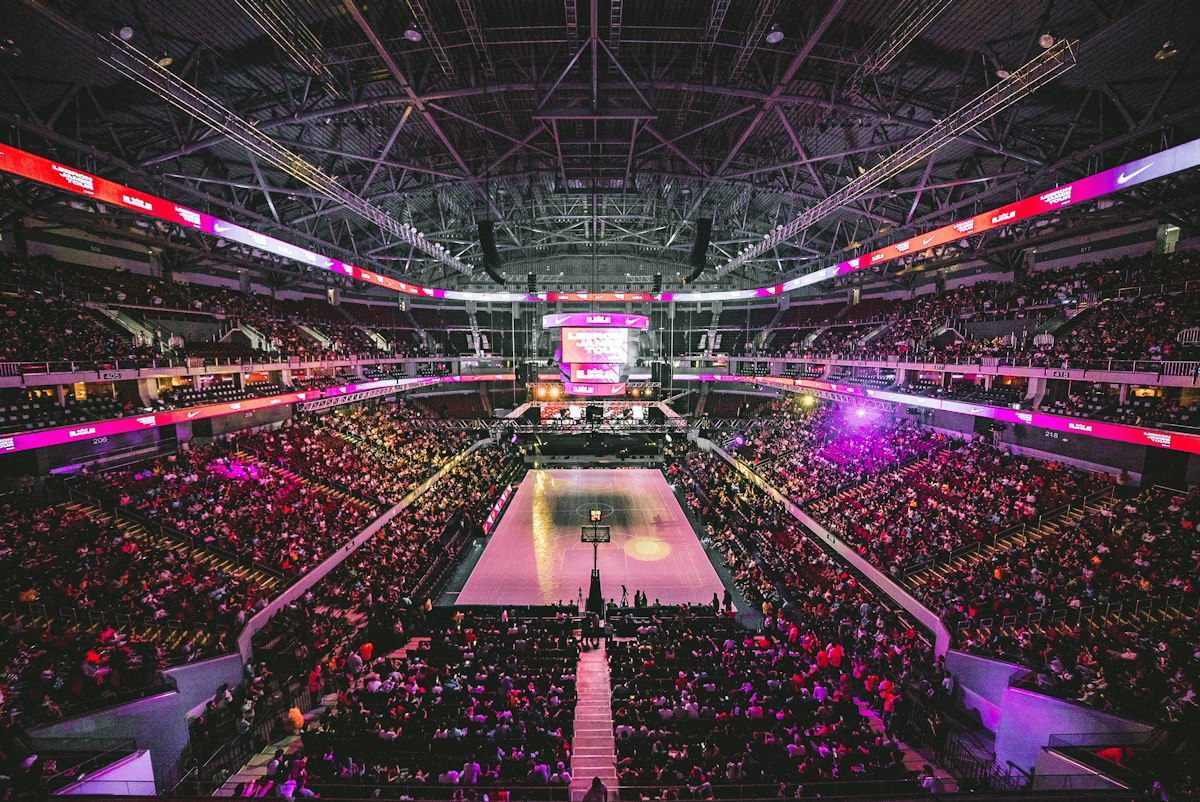
Hard Rock Stadium in Miami Gardens was the 2026 World Cup's south Florida outpost, and it brought a flavour no other venue could match. As the home of the NFL's Miami Dolphins, the stadium is a vast, modern venue with a canopy roof that shades most seats, a design that mattered enormously in the south Florida summer heat. For fans who attended matches there, Miami offered colour, music and a party atmosphere that felt distinct from the rest of the tournament, and a host city that treated the World Cup as a festival.
The stadium's location needs the same honest discussion that applied to several American venues. Hard Rock Stadium is in Miami Gardens, not central Miami, and the distance between the two matters for hotel planning. Fans who stayed on South Beach assuming a short trip found themselves with a longer journey than expected, while fans who stayed near the stadium corridor or used organised matchday transport had a far easier time. The practical lesson from 2026, repeated at venue after venue, is to plan around the stadium's real address, not the host city label, and to allow generous time for traffic and security perimeters.
Heat was the defining feature of the Miami matchday experience. South Florida in June and July is hot and humid, with afternoon thunderstorms a regular possibility, and fans who had attended matches in cooler cities like Toronto or Vancouver felt the difference immediately. The stadium's canopy helped, but it did not eliminate the heat, and smart fans arrived hydrated, wore light clothing, and used the shaded concourses during breaks in play. Evening matches were far more comfortable than afternoon ones, and fans who planned their sightseeing for the morning and the match for the evening had the best of Miami.
Miami as a host city offered more than football. The city's beaches, Latin American food scene and nightlife made it a popular base for fans combining the World Cup with a holiday, and its international airport connections made it one of the easiest host cities to reach from South America and Europe. The Fan Festival in Miami was among the most vibrant in the tournament, with music, food and giant screens drawing crowds even on nights when the stadium was not hosting a match. For many visiting supporters, Miami was less a matchday stop than a destination in its own right.
The stadium's tournament role also reflected its place in the south-east cluster, alongside Atlanta. Fans who paired Miami with Atlanta could build a two-city trip without a long flight, and the contrast between the two venues, Miami's heat and colour against Atlanta's modern downtown stadium, showed the range of experiences the expanded tournament could offer. For supporters who wanted sun, sea and football in a single trip, Miami was the obvious choice, provided they had planned for the heat and the journey to Miami Gardens.
For future visitors, Miami's lesson is to embrace the city while respecting the climate. Book near the stadium corridor or a reliable transport route, plan matches for the evening where possible, stay hydrated, and leave time for the beaches and the Fan Festival. Hard Rock Stadium may not have hosted the final, but it gave the 2026 World Cup a south Florida chapter full of colour and noise, and it reminded everyone that a World Cup is not just about the football. It is about the places, the people and the atmosphere, and few places do atmosphere quite like Miami. It is a city that knows how to celebrate, and the World Cup gave it the perfect reason.
📖 Continue Reading the Full Story
Continue reading this article on WorldCup2026 Cities.
⚡ Access Full Content NowMore from WorldCup2026 Cities



 🏆 2026 World Cup Central
World Cup 2026 Host Cities Ranked by Atmosphere, Transport and Matchday Experience
Sixteen cities hosted 104 matches, but the fan experience varied wildly — here is how the venues compared....
 ⚽ Global Football Odds
How to Read World Cup 2026 Futures Odds: A Complete Bettor’s Guide
World Cup 2026 futures odds reward bettors who can read them properly. Learn the American odds format with wor...
 🏆 2026 Football Online
2026 Industry Analysis: BMI Calculator — Body Mass Index & Healthy Weight (Day 3 Guide)
Why experts rely on BMI Calculator — Body Mass Index & Healthy Weight on 2026 Football Online. Discover essent...
 ⚽ Football2026 Live
Kylian Mbappe: The Star Showcase of the 2026 World Cup
Ten goals, four assists and a place in history: Mbappe's 2026 World Cup was a star showcase even though France...