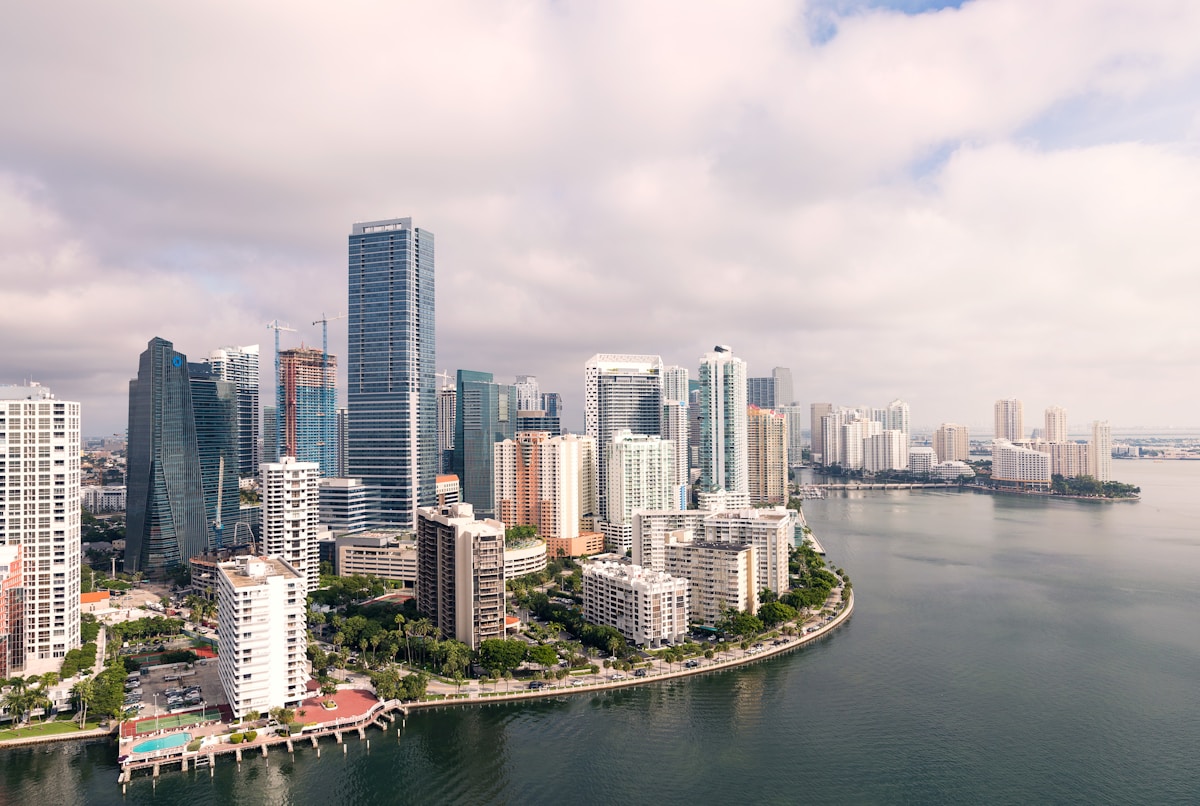
Miami World Cup 2026 Host City Guide: Hard Rock Stadium and the City
- Primary Signal: Miami World Cup 2026 Host City Guide: Hard Rock Stadium and the City
- Overview: Six matches at Hard Rock Stadium, South Beach and Latin flavour: the fan guide to Miami at World Cup 2026....
- Verification: Analyzed and compiled by WorldCup2026 Cities editorial monitoring desk.
Miami hosts six World Cup matches at Hard Rock Stadium in Miami Gardens, and few host cities match it for sheer energy: Latin culture, beaches, nightlife and a famously international crowd. Miami is also hot, humid and expensive during the summer, so fans need a plan for the climate as well as the football. This guide covers the stadium, where to stay, how to get around and how to enjoy the city between matches.
Hard Rock Stadium in Miami Gardens seats around 65,000 and hosts group-stage matches plus a round-of-32 tie. The stadium is a modern NFL venue with a canopy roof that shades most seats, a welcome feature in the Florida summer. It sits well north of downtown Miami, so reaching it requires planning: public transport options are limited compared with other host cities, and many fans use shuttle buses, rideshares or rental cars. Arrive early, as traffic on the highways around the stadium builds for hours before kick-off.
Miami's public transport includes Metrorail and Metrobus, but the stadium is not directly on a rail line, so most fans combine transit with shuttles or rideshares. On match days, official shuttle services run from key points in the city, and these are usually the most reliable option. Within the city, rideshares are plentiful but surge-priced after matches, and walking is practical in compact areas like South Beach, Brickell and Wynwood, but not across the wider metro area.
South Beach is the classic Miami stay: beaches, Art Deco architecture and nightlife, but also the priciest rooms during the tournament. Downtown Miami and Brickell offer better value, good transit access and a more business-like atmosphere, while staying near the stadium suits fans whose trip is purely about football. For a balance of beach and value, consider Miami Beach north of the famous strip, or neighbourhoods like Little Havana for culture and food.
Miami's food is a highlight: Cuban sandwiches and cafecito in Little Havana, seafood on the waterfront, and the street art and galleries of Wynwood. South Beach's Ocean Drive is made for strolling, and a day trip to the Everglades offers a complete change of pace. The city's Latin flavour means Spanish is widely spoken and celebrated, and the World Cup atmosphere, with fans from across the Americas, will feel especially at home here.
Summer in Miami means heat, humidity and sudden afternoon thunderstorms. Plan outdoor activities for mornings, carry water everywhere, wear light clothing and sunscreen, and keep a light rain layer handy for downpours. Stadiums and indoor venues are air-conditioned, so a layer for the temperature change is useful. Stay hydrated on match days: the combination of heat, excitement and celebration catches out visitors every summer.
If your stay allows a day away from the city, the Florida Keys make a spectacular road trip south, with island-hopping, snorkelling and the famous drive across the Overseas Highway, while the Everglades offer airboat tours and wildlife just west of the city. Both are best as full-day excursions with an early start, and both contrast beautifully with Miami's urban energy. Even a half-day trip to Key Biscayne's beaches and lighthouse gives you a quieter side of the Miami area, and a welcome break from the tournament crowds.
Miami brings the World Cup a Latin heartbeat, beautiful beaches and a stadium built for big occasions. Plan your stadium transport, respect the heat, and the city will reward you with one of the most vibrant trips of the tournament.
📖 Continue Reading the Full Story
Continue reading this article on WorldCup2026 Cities.
⚡ Access Full Content NowMore from WorldCup2026 Cities


 🏆 2026 World Cup Central
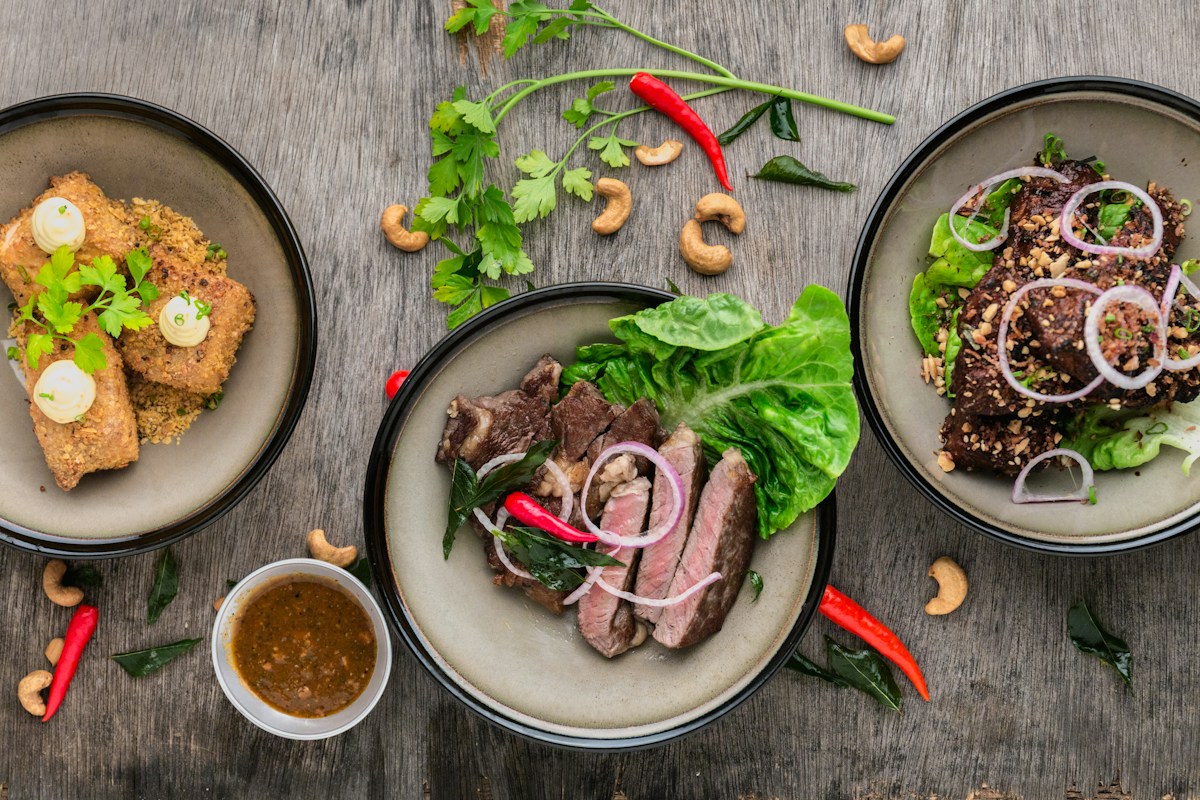
Where to Eat at World Cup 2026: A Fan Food Guide to the Host Cities
From Texas barbecue to Mexico City street tacos and Toronto's global kitchens: what and where to eat in the Wo...
 🇮🇹 Mondiali 2026 Italia
2026 World Cup Host Cities: Temp Staff, Call Centers, or AI — What Won?
Temp hires, call centers, or AI voice? A retrospective comparison of the three phone-coverage models used acro...
 ⚽ Global Football Odds
How to Read World Cup 2026 Futures Odds: A Complete Bettor’s Guide
World Cup 2026 futures odds reward bettors who can read them properly. Learn the American odds format with wor...
 🏆 2026 Football Online
How Does the 2026 World Cup Format Work? 48 Teams, 12 Groups and the New Round of 32
The 2026 World Cup is the biggest ever: 48 teams, 104 matches, and a brand-new Round of 32. Here is a plain-En...