World Cup 2026 Budget Trip Planning: Costs Breakdown for Fans
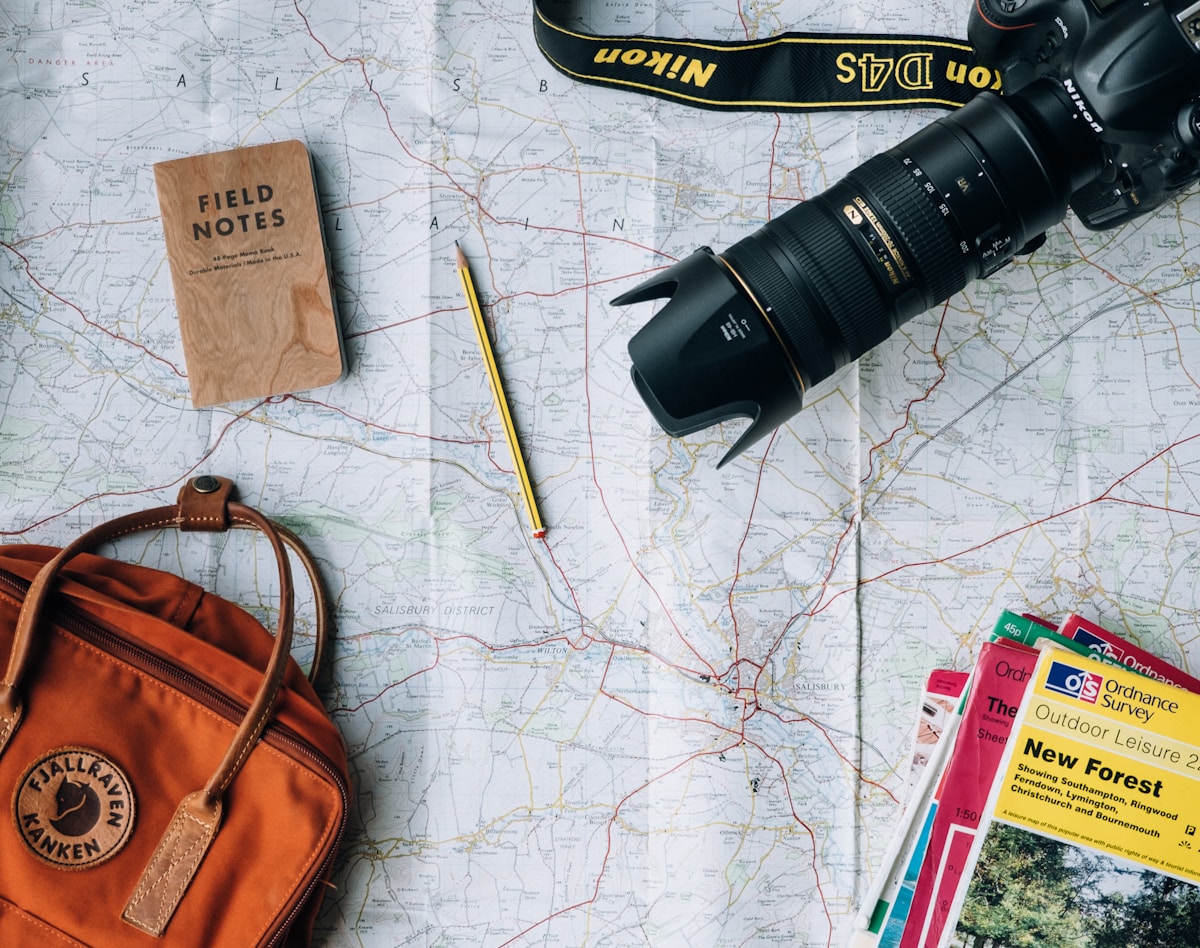
- Primary Signal: World Cup 2026 Budget Trip Planning: Costs Breakdown for Fans
- Overview: World Cup 2026 budget trip planning with a full costs breakdown: flights, tickets, hotels, food and transport, plus the savings tricks that make a World Cup trip affordable....
- Verification: Analyzed and compiled by WorldCup2026 Cities editorial monitoring desk.
A World Cup trip can cost anything from a few hundred dollars to tens of thousands, and the difference is almost entirely planning. Fans who budget early, choose cheaper host cities, book refundable accommodation and prioritise group matches over finals can experience the tournament for a fraction of the cost of a last-minute, premium trip. This guide breaks down every major cost, gives realistic ranges, and shares the savings tricks that experienced World Cup travellers use to make the dream affordable.
Flights are often the first major cost, and they vary enormously by origin and timing: booking three or more months ahead, using fare alerts, and considering indirect routes or multi-city tickets can save hundreds of dollars. Domestic flights between host cities during the tournament run well above normal summer prices, so consider trains or buses for shorter hops, such as the East Coast corridor between New York, Philadelphia and Boston, where rail is often faster and cheaper than flying. Match tickets are the second major cost, and group-stage tickets in lower categories are far more affordable than knockout and final tickets, so prioritise group matches if your budget is tight.
Accommodation is usually the largest cost, and it varies more by city than any other item: budget roughly fifty to eighty dollars per night in Mexican host cities, eighty to one hundred and seventy in Houston, Dallas and Atlanta, and one hundred and sixty to four hundred or more in New York, Vancouver and San Francisco, with match-night spikes on top. Food and daily transport add a further forty to seventy dollars per day in cheaper cities, and eighty to one hundred and fifty in expensive ones, depending on whether you eat in restaurants or cook some meals. Adding these together, a four-day trip with one or two group matches can range from around seven hundred dollars at the shoestring end to several thousand at the comfortable end, before international flights.
The shoestring fan stays in hostels or shared rentals, eats supermarket food and street food, uses public transport, and attends one or two group matches in lower categories. This model works best in cheaper host cities like Guadalajara, Mexico City, Houston and Atlanta, where daily costs are lowest and the football is just as good. The mid-range fan stays in a three-star hotel or apartment, eats a mix of restaurants and casual meals, attends two or three matches including a knockout tie, and travels between two cities. This is the most common model, and it balances comfort with cost.
The comfortable fan stays in a four-star hotel near the stadium, attends multiple matches including a semi-final or final, eats in restaurants, and uses taxis and rideshares freely. This model is superb but expensive, and it is where costs escalate fastest, because premium tickets and central hotels multiply quickly. Whichever model you choose, decide it before you book anything, because mixing a shoestring hotel with premium tickets, or a luxury hotel with the cheapest tickets, usually means overspending in one area and regretting it in another.
The most effective savings trick is staying outside the most expensive centre: Jersey City instead of Manhattan, Fort Worth instead of Arlington, San Jose instead of San Francisco, or a suburb on a rail line instead of downtown. The second is booking refundable accommodation early and watching for price drops, because hotels sometimes release cheaper rooms as the tournament approaches. The third is eating like a local: supermarket lunches, food halls and neighbourhood restaurants cost a fraction of stadium and tourist-area prices, and they are often better. The fourth is using public transport and day passes instead of taxis, which saves money and time on matchdays.
Other tricks include attending fan zones for free instead of buying a ticket for every match, choosing group-stage matches over knockouts, travelling with friends and splitting apartment and transport costs, and setting a daily spending limit with a simple tracking app. Avoid the most common budget traps: unofficial ticket sellers, last-minute hotel bookings, airport currency exchanges with high fees, and impulse merchandise purchases inside stadiums. Each of these can add hundreds of dollars to a trip without adding any enjoyment.
Build your budget in this order: flights first, because they determine your dates, then accommodation, because it determines your base city, then match tickets, because they determine your matchdays, and finally daily costs for food, transport and activities. Add a contingency of ten to fifteen percent for surprises, from a delayed flight to an extra night if your team advances, because World Cup trips rarely go exactly to plan, and a small buffer prevents stress. Track spending daily with a simple note or app, and review it each evening, so you can adjust before costs run away. With a clear budget and a little discipline, a World Cup trip is not a fantasy for the wealthy: it is an achievable adventure for any fan willing to plan, and the memories it creates are worth every dollar you carefully spend.
📖 Continue Reading the Full Story
Continue reading this article on WorldCup2026 Cities.
⚡ Access Full Content NowMore from WorldCup2026 Cities



 🏆 2026 World Cup Central
World Cup 2026 Travel Insurance Guide for Fans: What Your Policy Must Cover
Flights, tickets and health abroad: the travel insurance cover every World Cup fan needs, and the exclusions t...
⚽ Global Football Odds
World Cup 2026 Betting Preview: What to Know Before the Tournament Kicks Off
The 2026 World Cup is the biggest ever — 48 teams, 16 host cities, and a new format that changes how bettors s...
 🏆 2026 Football Online
How Does the 2026 World Cup Format Work? 48 Teams, 12 Groups and the New Round of 32
The 2026 World Cup is the biggest ever: 48 teams, 104 matches, and a brand-new Round of 32. Here is a plain-En...
 🇮🇹 Mondiali 2026 Italia
Italia qualificazioni Mondiali 2026: cosa serve per qualificarsi
Cosa serve all'Italia per qualificarsi ai Mondiali 2026: come funzionano le qualificazioni europee, i playoff,...