World Cup 2026 Fan Lodging: What Hotel Prices and Booking Lessons Taught Travelling Fans
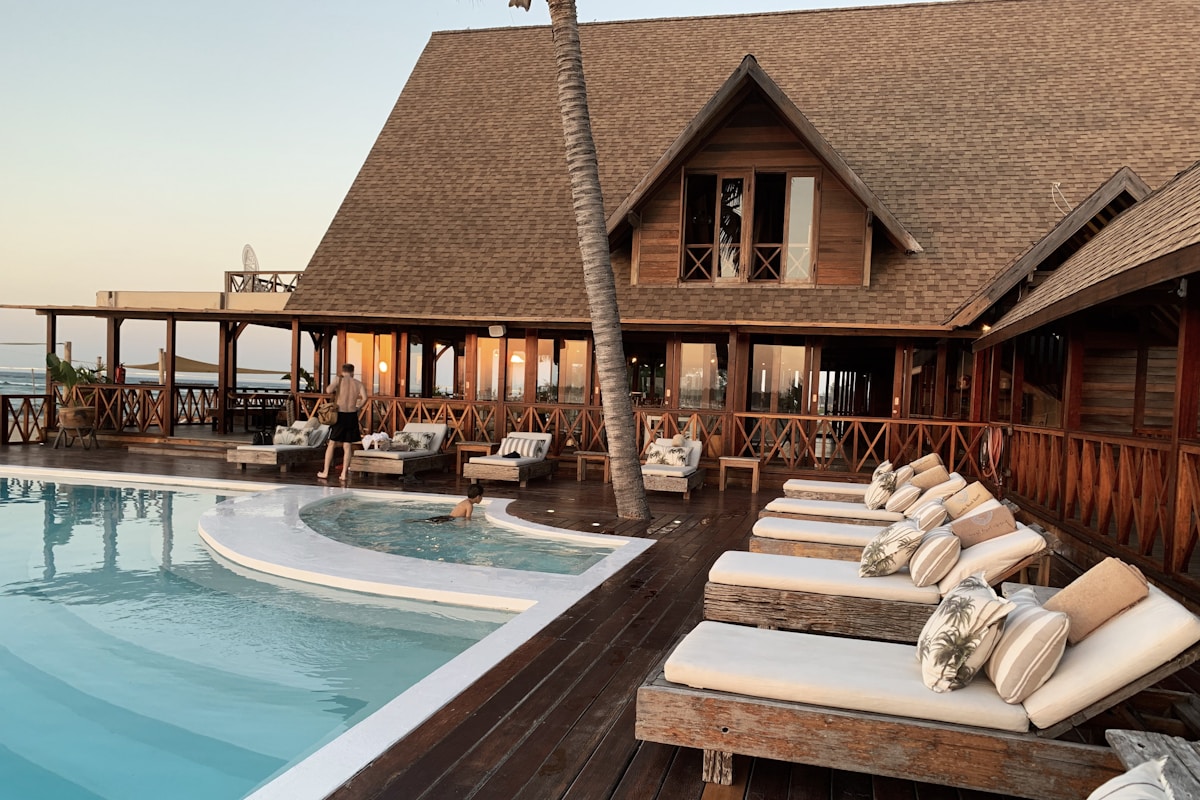
- Primary Signal: World Cup 2026 Fan Lodging: What Hotel Prices and Booking Lessons Taught Travelling Fans
- Overview: Hotel prices spiked in host cities, but fans who booked refundable rooms near the real stadium address saved money and stress....
- Verification: Analyzed and compiled by WorldCup2026 Cities editorial monitoring desk.
Lodging was the hidden cost of the 2026 World Cup. Tickets got the headlines, but for most travelling fans the hotel bill was bigger, and the fans who enjoyed the tournament most were usually the ones who had planned their lodging first. With 104 matches across 16 cities in three countries, and hotel prices spiking whenever a big match was confirmed for a city, the difference between a smart booking and a careless one could run into hundreds of dollars per night.
The first lesson is about timing. Fans who booked refundable rooms as soon as their team's group venues were known, then adjusted once the knockout draw took shape, generally paid less than fans who waited for certainty. The trade-off was real: early bookers risked being in the wrong city if their team moved, but refundable rates and free cancellation turned that risk into a manageable one. Fans who waited until the round of 32 was set often found the best-located hotels sold out or priced at two to three times their normal rate, particularly in cities hosting nine matches like Dallas.
The second lesson is about location, and it is the one most fans got wrong. Several stadiums sit outside the city they are named for: MetLife is in East Rutherford, not New York City; Levi's Stadium is in Santa Clara, not San Francisco; AT&T Stadium is in Arlington, not Dallas; and Gillette Stadium is in Foxborough, not Boston. Fans who booked a central hotel and assumed a short trip often faced long, expensive journeys on matchdays, while fans who booked near the stadium's real address, or near a transport line serving it, saved time and money on every matchday.
The third lesson is about clusters. The 16 host cities divide naturally into regions: the Pacific Northwest, California, Mexico, the central United States and the north-east corridor. Fans who picked one cluster and stayed in it changed hotels fewer times, spent less on flights and missed fewer kick-offs than fans who chased a team from coast to coast. A Vancouver to Miami flight is more than 2,700 miles, and even Seattle to Los Angeles is roughly 960 miles by road. The cluster strategy was not just cheaper, it was calmer, and it left more time for the fan festivals and city sightseeing that make a World Cup trip memorable.
The fourth lesson is about what to check before paying. Smart fans confirmed cancellation terms in writing, checked whether the hotel was inside or outside the stadium's security perimeter, and budgeted for the whole trip rather than the nightly rate: transport surges, food prices and fan festival spending all add up. They also used the free FIFA Fan Festivals, open to all, as a fallback for nights when they did not have tickets, rather than paying inflated prices for a seat they did not need. For the next tournament, the advice is unchanged: book refundable, book near the real stadium, pick a cluster, and treat the hotel as the foundation of the trip, not an afterthought.
Finally, the 2026 lodging experience carried a warning about the resale and short-let market. Fans who booked through unofficial channels or last-minute listings sometimes found prices far above the advertised rate, or rooms far from the stadium they had expected. The safest bookings were made through established hotels and platforms with clear cancellation terms and a real address that could be checked against the stadium's location. That caution applies to every major tournament, but it mattered more in 2026 than ever, because the distances were greater, the cities were more spread out, and a bad lodging choice could not be fixed by simply walking to another hotel. Book early, book refundable, and book near the real stadium: three rules that saved hundreds of fans a great deal of money and stress.
📖 Continue Reading the Full Story
Continue reading this article on WorldCup2026 Cities.
⚡ Access Full Content NowMore from WorldCup2026 Cities



 🏆 2026 World Cup Central
What the First 48-Team World Cup Taught Us: Lessons from 2026
The expanded format produced 104 matches, 25 upsets and a new route to the knockouts — here are the lessons th...
⚽ Football2026 Live
World Cup 2026 Betting Lessons: Why Eight of the Ten Favourites Failed
Only Spain and Argentina of the ten pre-tournament favourites reached the final — here is what the market got ...
 ⚽ Global Football Odds
World Cup 2026 Betting Preview: What to Know Before the Tournament Kicks Off
The 2026 World Cup is the biggest ever — 48 teams, 16 host cities, and a new format that changes how bettors s...
 🏆 2026 Football Online
How Does the 2026 World Cup Format Work? 48 Teams, 12 Groups and the New Round of 32
The 2026 World Cup is the biggest ever: 48 teams, 104 matches, and a brand-new Round of 32. Here is a plain-En...