World Cup 2026 Stadium Seating Guide: How to Choose the Best Seats for Your Budget
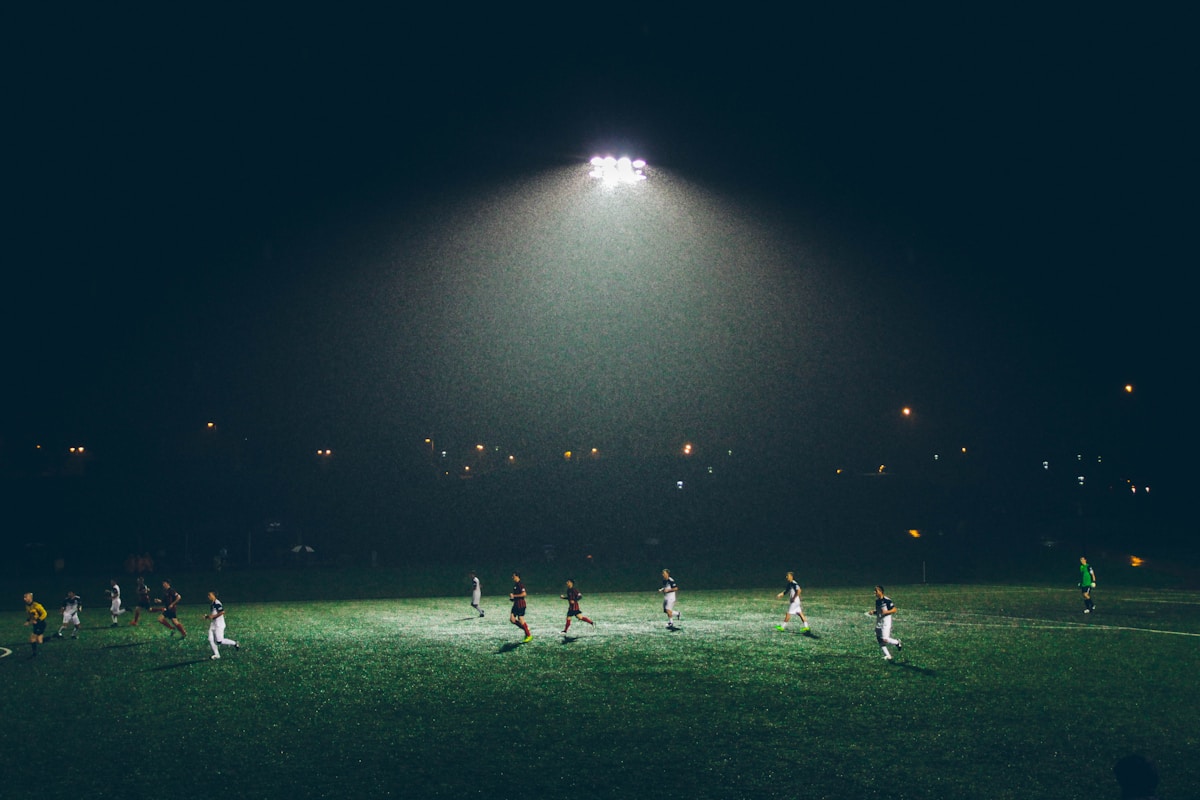
- Primary Signal: World Cup 2026 Stadium Seating Guide: How to Choose the Best Seats for Your Budget
- Overview: Lower bowl or upper tier, behind the goal or on halfway? How stadium seating works at World Cup 2026 and how to pick seats worth the price....
- Verification: Analyzed and compiled by WorldCup2026 Cities editorial monitoring desk.
Choosing stadium seats for a World Cup match is a balance between price, view and atmosphere, and the best seats are not always the most expensive ones. A seat on the halfway line high in the stand can offer a better tactical view than a front-row seat behind the goal, while a seat among passionate supporters can matter more than a perfect sightline. With sixteen different stadiums, each with its own layout, a little knowledge about seating categories, stand geometry and stadium quirks helps you spend wisely. This guide explains how World Cup stadium seating works and how to choose seats that suit your budget and your idea of a great matchday.
World Cup tickets were sold in categories, usually from category one, the best locations, down to category three or four, the most affordable seats. Category one typically covers prime sideline seats in the lower and middle tiers, while lower categories cover seats behind the goals and in the upper tiers. Prices also varied by match round: group games cost less than knockouts, and the final commanded the highest prices. Within a category, however, seats still differ: a category three seat on the halfway line in the upper tier may offer a better view than a category two seat in a corner. Always study the stadium map for your specific venue before buying, rather than trusting the category label alone.
Sideline seats, especially near the halfway line, give the best overview of formations, movement and tactical patterns, because you see the whole pitch spread before you. Seats behind the goals put you closer to goals, celebrations and penalty drama, but make it harder to judge offside lines and play at the far end. Corner seats offer a compromise, with a diagonal view that captures both width and depth, and are often good value. For a first stadium visit, a sideline seat in the middle tier is usually the safest choice: high enough to see patterns, low enough to feel the atmosphere and hear the players. Avoid the very front rows if you want an overview, because advertising boards and the dugouts can block parts of the pitch.
Height changes everything about a stadium view. Lower-tier seats put you close to the action, the noise and the players, but the view can be flat, and you may struggle to see over players warming up or officials on the touchline. Middle-tier seats are often considered the sweet spot, combining elevation for a tactical view with proximity for atmosphere. Upper-tier seats offer the best tactical overview and are usually cheapest, but distance reduces the sense of occasion, and in open stadiums you are more exposed to sun, wind and rain. If you choose the upper tier, bring binoculars for detail, and check whether the stadium roof covers your section.
Seat choice is not only about the view. Supporters' sections behind the goals offer the loudest atmosphere, with singing and flags, but also standing, crowding and stronger language, which may not suit families. Family sections, where offered, provide a calmer environment and easier access to facilities, but less intensity. Fans with accessibility needs should book designated accessible seating, which is distributed across price categories and levels, with companion seats adjacent. Wherever you sit, check the distance to toilets, food outlets and exits, and prefer aisle seats if you expect to move during the match. A seat that suits your group matters more than a seat that looks perfect on a map.
Buy only through official channels or authorised resellers, because unofficial tickets may be invalid, duplicated or in a different category than advertised. Check the stadium map, read the seat description carefully, and confirm whether the price includes fees, which can add a significant amount. If you buy for a group, try to secure seats in the same block, because split groups across stands cannot easily meet during the match. Finally, accept that no seat is perfect: every stadium involves trade-offs between price, view and atmosphere. Choose the trade-off that fits your priorities, arrive early to enjoy the build-up, and the match will take care of the rest.
📖 Continue Reading the Full Story
Continue reading this article on WorldCup2026 Cities.
⚡ Access Full Content NowMore from WorldCup2026 Cities

 🏆 2026 World Cup Central
World Cup 2026 Fan Zones vs Stadiums: Which Experience Suits You Best
Big screens, street parties or a seat in the stadium? Comparing World Cup 2026 fan zones and stadium visits on...
 ⚽ Global Football Odds
How to Read World Cup 2026 Futures Odds: A Complete Bettor’s Guide
World Cup 2026 futures odds reward bettors who can read them properly. Learn the American odds format with wor...
 🏆 2026 Football Online
2026 Industry Analysis: BMI Calculator — Body Mass Index & Healthy Weight (Day 3 Guide)
Why experts rely on BMI Calculator — Body Mass Index & Healthy Weight on 2026 Football Online. Discover essent...
 ⚽ Football2026 Live
Kylian Mbappe: The Star Showcase of the 2026 World Cup
Ten goals, four assists and a place in history: Mbappe's 2026 World Cup was a star showcase even though France...