World Cup 2026 Public Transport Guide for Host Cities
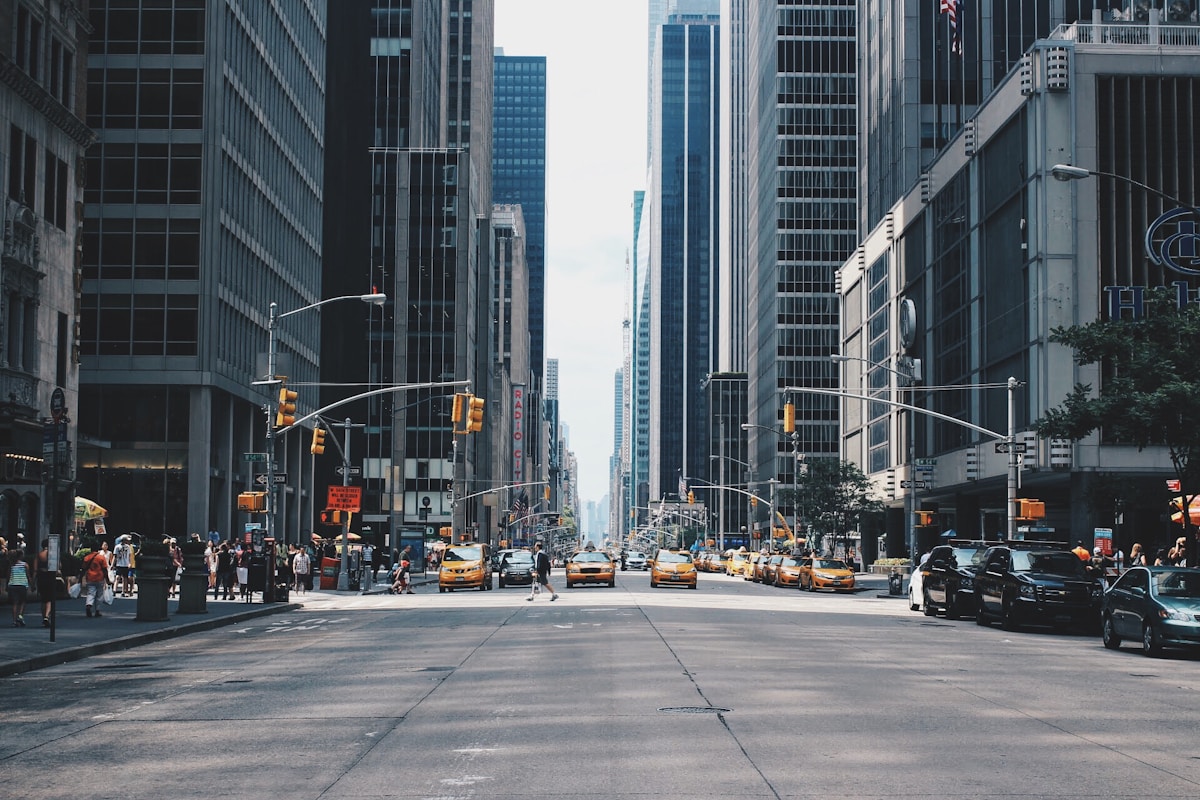
- Primary Signal: World Cup 2026 Public Transport Guide for Host Cities
- Overview: How to use public transport at World Cup 2026: subway, light rail, buses and trains in every host city, plus matchday tips that save time, money and stress....
- Verification: Analyzed and compiled by WorldCup2026 Cities editorial monitoring desk.
Public transport is the secret weapon of a successful World Cup trip: it is cheaper than taxis, faster than driving in matchday traffic, and in most host cities it is the only sensible way to reach the stadium. Yet every host city has a different system, with different tickets, apps and matchday rules, and fans who do not research them waste hours and money. This guide explains how to master public transport across the tournament's 16 host cities, with practical tips that work everywhere.
In the United States, the key systems are subway and light rail in the host cities: the New York subway and NJ Transit rail for MetLife Stadium, MARTA in Atlanta, METRORail in Houston, the Broad Street Line in Philadelphia, Link light rail in Seattle, and VTA light rail plus Caltrain in the Bay Area. Dallas and Arlington are the exception, because there is no direct rail line to AT&T Stadium, so shuttle buses are the main public option there. In Canada, Toronto's TTC subway and streetcars and Vancouver's SkyTrain are both excellent, while in Mexico, Mexico City's metro, light rail and bus networks are extensive and very cheap, though crowded.
The practical step is the same in every city: download the official transit app before you travel, buy or top up a reloadable transit card on arrival, and save your hotel address and stadium station offline. Most cities offer day passes or multi-day passes that are good value if you are making several journeys, and some offer special event tickets for matchdays. Check whether your transit pass covers the airport journey, because airport trains and buses sometimes require a separate fare.
On matchdays, transport systems run extra services, but they are still crowded, and the return journey after the final whistle is always the busiest time. Travel at least two hours before kickoff, and consider travelling earlier than the main crowd if your ticket allows flexible entry. After the match, be patient: queues for trains and buses can be long, and walking part of the way to a less crowded station is often faster than waiting at the stadium station. Agree a meeting point with your group before entering the stadium, because mobile networks can fail under the load of tens of thousands of fans.
Some stadiums have specific matchday rules that affect transport: at MetLife Stadium, for example, rail tickets are capped per match and must be bought in advance, while at other venues shuttle buses replace regular services. Check the official stadium and transit pages for your match before you travel, and do not assume that the normal timetable applies on matchdays. If you are travelling with children or have mobility needs, check accessible transport options in advance, because step-free routes and accessible vehicles vary by city.
Paying for transport varies by city: some systems accept contactless bank cards directly at the gate, others require a dedicated transit card, and a few still use paper tickets or mobile apps. Research your city's system before arrival, and buy your card or pass at the airport or a downtown station, where staff can help. Keep your transit card separate from your bank cards, and carry a small amount of local cash for buses that do not accept cards. In Mexico, the metro uses a rechargeable card that is cheap and easy to buy, while in Canada, transit cards can be purchased at stations and convenience stores.
A useful habit is to screenshot your route, station names and return options before leaving your hotel, because mobile data can be unreliable in crowded stations and underground. Download offline maps for your host city, and save the stadium station name in both English and the local language where relevant. If you get lost, ask station staff or fellow fans: on matchdays, half the people on the train are going to the same stadium, and following the crowd is often the simplest navigation of all.
Public transport is also the best way to explore host cities on rest days: subways and light rail connect downtown attractions, museums, markets and fan zones, and a day pass usually covers unlimited travel. In compact cities like Toronto, Vancouver and Philadelphia, walking combined with transit gives you the full experience, while in sprawling cities like Houston and Dallas, transit plus occasional rideshares is the practical mix. Avoid renting a car for stadium journeys, but consider one for rest-day trips outside the city, where transit is thinner. With a transit card in your pocket and a little advance research, public transport turns a potentially stressful World Cup trip into a smooth, affordable adventure.
📖 Continue Reading the Full Story
Continue reading this article on WorldCup2026 Cities.
⚡ Access Full Content NowMore from WorldCup2026 Cities
 🏆 2026 World Cup Central
Where to Eat at World Cup 2026: A Fan Food Guide to the Host Cities
From Texas barbecue to Mexico City street tacos and Toronto's global kitchens: what and where to eat in the Wo...
 ⚽ Global Football Odds
How to Read World Cup 2026 Futures Odds: A Complete Bettor’s Guide
World Cup 2026 futures odds reward bettors who can read them properly. Learn the American odds format with wor...
 🏆 2026 Football Online
How Does the 2026 World Cup Format Work? 48 Teams, 12 Groups and the New Round of 32
The 2026 World Cup is the biggest ever: 48 teams, 104 matches, and a brand-new Round of 32. Here is a plain-En...
 ⚽ SportsBet Insights Live
Betting on Player Props for Beginners: A Simple Guide to Prop Bets
Player props let you bet on an individual athlete's performance, such as points, yards or shots, rather than t...